Sidewalks, Walkways & Flatwork
Safe, attractive paths that connect your property and enhance curb appeal.
Why Quality Sidewalks and Walkways Matter
Your sidewalks and walkways serve important functions beyond just getting from point A to point B. They create safe paths for foot traffic, protect your lawn from wear, and guide visitors to your door. When they are cracked, uneven, or poorly designed, they become liability issues and detract from your property's appearance. Quality concrete walkways solve these problems and add value to your home.
Uneven sidewalks create trip hazards that can lead to injuries and lawsuits. As a property owner, you have responsibility for maintaining safe walking surfaces. Settling, heaving, and cracking make sidewalks dangerous, especially for children, elderly visitors, and anyone with mobility challenges. Replacing or repairing problem sidewalks is not just about looks, it is about protecting people and limiting your liability.
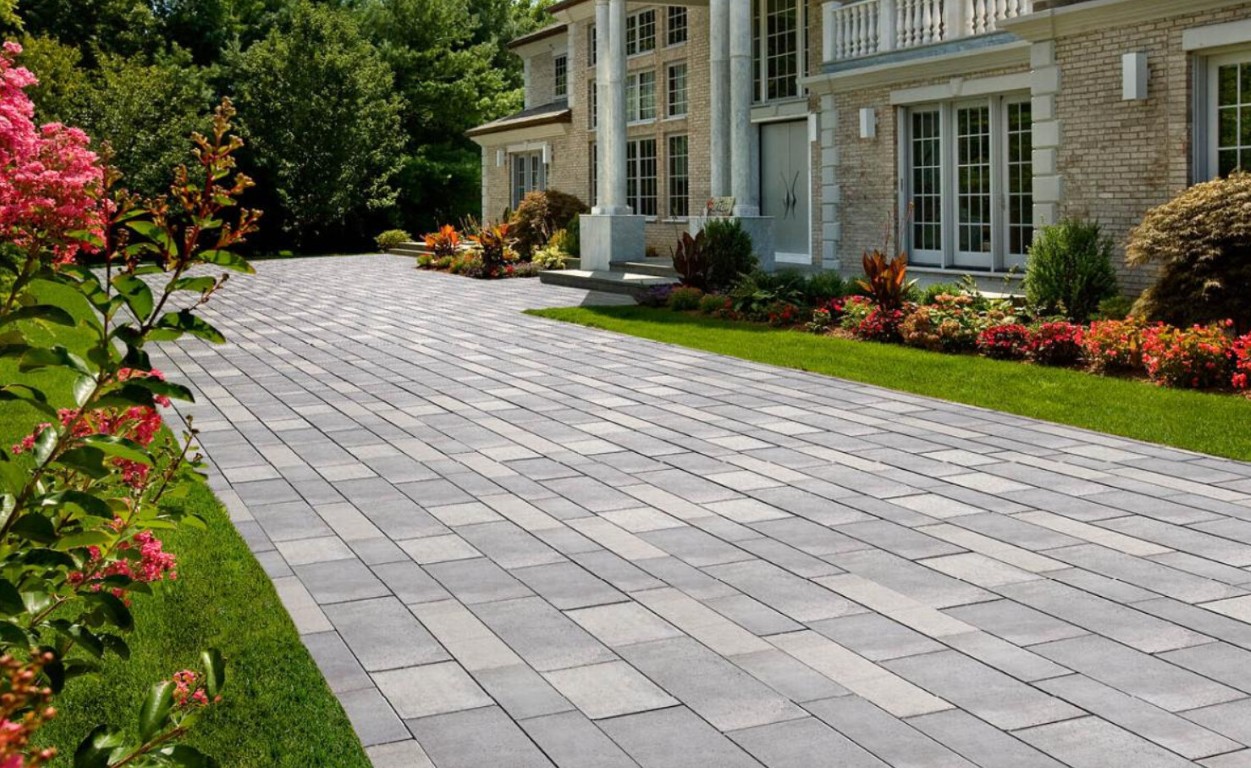
Well-designed walkways improve your property's curb appeal and functionality. They create clear circulation paths, protect landscaping, and make your home more welcoming. Whether you need a simple straight sidewalk from the street to your door or a curved walkway that winds through your garden, proper installation ensures it looks good and lasts for decades. At Silverstone Southfield Concrete, we build walkways that combine safety, durability, and attractive design.
Types of Flatwork We Install
Public sidewalks along the street are often the property owner's responsibility to maintain and replace. When the city notifies you that your sidewalk needs replacement, we can handle the entire process. We know the local codes and requirements, pull necessary permits, and make sure the work meets all specifications. You get a compliant sidewalk without hassle.
Private walkways on your property give you more design freedom. These paths connect your driveway to your front door, link your patio to your garden, or create shortcuts across your yard. We can design walkways that match your home's style and landscape. Curved paths, stepping stone patterns, or straight modern approaches all work depending on your preferences and property layout.
Flatwork includes any horizontal concrete surface, from simple slabs to decorative installations. We pour concrete pads for sheds, air conditioning units, and outdoor equipment. We install aprons where your driveway meets the street or garage. We create concrete paths, courtyards, and entry areas. All these projects require proper base preparation, correct thickness, and skilled finishing to deliver lasting results.
Common Flatwork Projects
- Public sidewalks meeting municipal requirements
- Private walkways and garden paths
- Driveway aprons and approaches
- Equipment pads for HVAC, generators, and sheds
- Courtyard and entry areas
- ADA-compliant ramps and accessible paths
- Decorative walkways with stamping or borders
Design and Width Considerations
Width matters when planning walkways. Public sidewalks typically need to be at least 4 feet wide to meet code requirements. For private walkways, 3 feet is the minimum for single-file walking, but 4 to 5 feet allows two people to walk side by side comfortably. Main walkways to your front door should be wider than secondary garden paths. We will help you determine appropriate widths based on the walkway's purpose and traffic.
Slope and drainage need careful planning. Walkways should slope slightly away from buildings to shed water, but not so much that they feel steep or become slippery when wet. We also make sure water does not pool on the surface or collect along edges where it can cause problems. Proper grading prevents ice buildup in winter and keeps your walkways safe and dry.
Decorative options let you customize your walkways beyond plain concrete. Stamped patterns create the look of stone or brick. Colored concrete or stains add visual interest. Exposed aggregate provides texture and slip resistance. Borders in contrasting colors define edges and add sophistication. We can match your walkways to existing patios or create designs that complement your home's architecture.
Placement and layout affect both function and appearance. Walkways should follow natural traffic patterns and create logical connections between areas. Curved paths can be more interesting than straight lines, but curves need adequate radius to feel natural. We consider sight lines, landscaping, and how people actually move through your property when designing walkway routes. Good planning creates paths that people want to use rather than shortcuts across your lawn.