Retaining Walls & Concrete Masonry
Structural walls that control erosion, create usable space, and enhance your landscape.
Why You Need a Retaining Wall
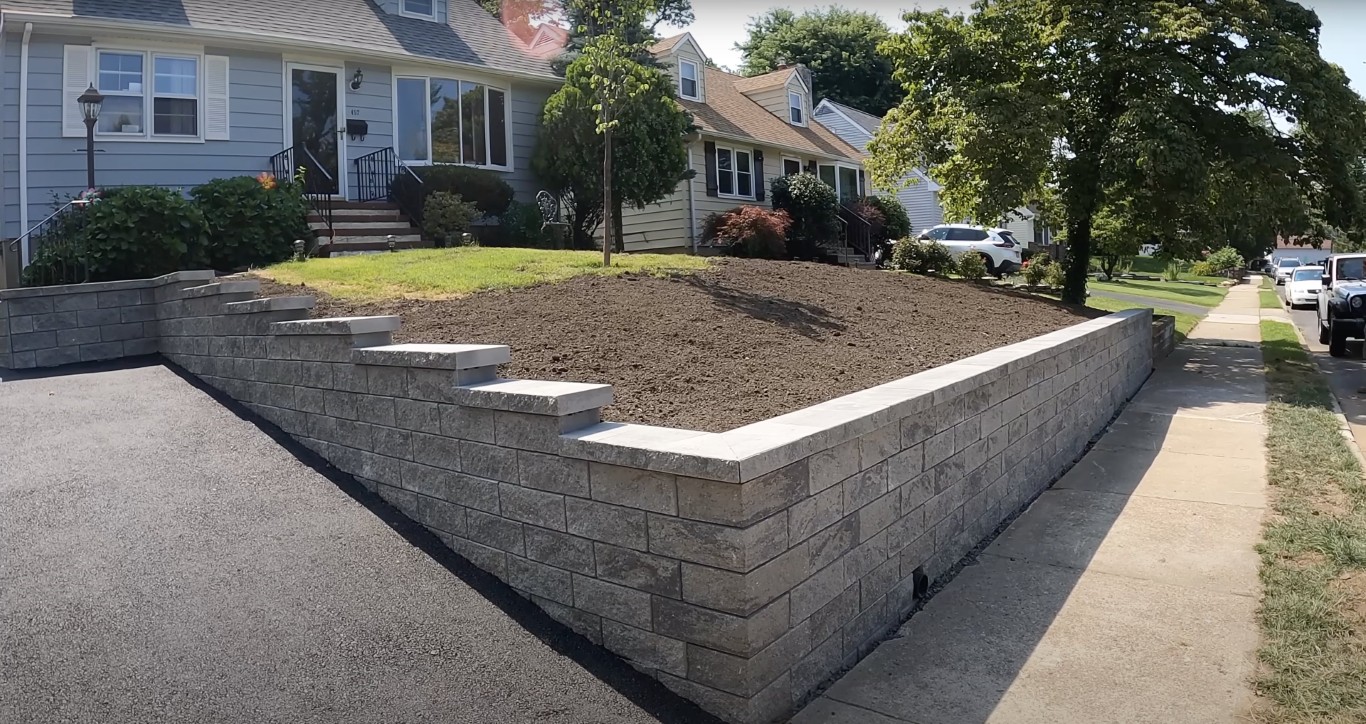
Sloped properties create challenges for landscaping and drainage. Soil erodes, plants struggle to establish, and you lose usable yard space to steep grades. Retaining walls solve these problems by holding back soil and creating level areas. Whether you want to expand your patio, prevent erosion, or create terraced garden beds, a properly built retaining wall makes it possible.
Erosion control is one of the main reasons homeowners install retaining walls. Without something to hold soil in place, rain washes it away. This damages your landscaping, creates drainage problems, and can even threaten your home's foundation. A retaining wall stops erosion and protects your property investment. In areas with significant slopes, retaining walls are not just nice to have, they are necessary to prevent ongoing damage.
Creating usable space is another major benefit. A sloped backyard is difficult to use and landscape. By installing retaining walls, you can create flat areas for patios, play areas, gardens, or lawn. These level spaces transform unusable slopes into functional outdoor living areas. The result is more enjoyment from your property and increased home value. Our team designs retaining walls that maximize usable space while handling the structural requirements.
Types of Retaining Walls We Build
Poured concrete retaining walls offer maximum strength and design flexibility. We build forms, place reinforcement, and pour concrete to create walls that can handle substantial loads and heights. Concrete walls can be finished smooth, stamped for texture, or clad with stone or brick veneer. They work especially well for tall walls or situations where you need custom shapes or built-in features like steps or planters.
Concrete block walls provide excellent strength with faster installation than poured concrete. We use concrete masonry units engineered specifically for retaining walls. These blocks interlock and include channels for vertical reinforcement and drainage. Block walls can be left natural, painted, or faced with decorative materials. They are cost-effective for medium-height walls and offer proven long-term performance.
Segmental retaining wall systems use interlocking concrete units designed for DIY-friendly installation, though professional installation ensures proper results. These systems come in various colors, textures, and styles to match your landscape design. They work well for lower walls and curved layouts. We handle the critical engineering aspects like base preparation, drainage, and reinforcement that determine whether these walls perform as intended or fail within a few years.
Retaining Wall Applications
- Terraced landscapes and garden beds
- Driveway and parking area support
- Foundation and basement wall protection
- Slope stabilization and erosion control
- Creating level areas for patios and lawns
- Property line definition and privacy screens
- Water feature surrounds and landscape accents
Critical Elements of Wall Construction
Foundation and base preparation determine whether your retaining wall stands or fails. We excavate below the frost line and install a compacted gravel base. This prevents frost heaving and provides a stable platform. The foundation must be level and properly sized for the wall height and soil conditions. Cutting corners on the foundation guarantees problems, which is why we never skip these critical steps.
Drainage is absolutely essential for retaining walls. Water pressure behind walls creates tremendous force that can cause failure. We install drainage systems including perforated pipe, gravel backfill, and weep holes that let water escape. Proper drainage reduces pressure on the wall and prevents soil saturation that leads to movement and settling. Without adequate drainage, even the strongest wall will eventually fail.
Reinforcement provides the strength to resist soil pressure and loads. Taller walls need more reinforcement than shorter ones. We use rebar, geogrid, or other reinforcement methods appropriate for your wall height and soil conditions. Engineering calculations determine reinforcement requirements for walls over certain heights. We follow code requirements and engineering specifications to deliver walls that perform safely.
Backfill and compaction behind the wall affect long-term stability. We use appropriate backfill material and compact it in layers to prevent settling. Poor backfill or inadequate compaction causes walls to lean, crack, or collapse as the soil behind settles. This attention to detail separates walls that last from walls that fail. If you are planning a patio or other features near the wall, we coordinate construction to ensure everything works together properly.